Area 04 of 6
Learning and action on the ground.
We apply our own methodologies and capabilities in pilot projects to validate solutions, generate evidence and turn knowledge into concrete, measurable results for nature and communities.
Each territory has its own environmental, social and institutional challenges. That is why we do not apply standardized solutions: we work alongside institutions, communities and strategic partners to design and implement the most appropriate conservation or restoration actions, as well as the methods for monitoring their results.
Nature Integrity Methodology Pilots in Montseny · Catalonia
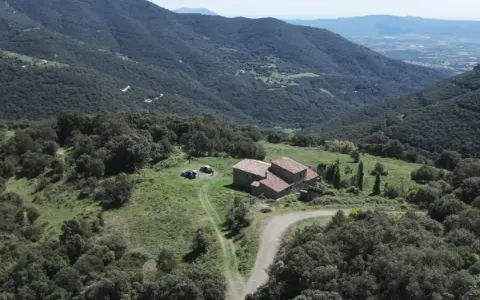
A pilot project in a territory of high ecological value.
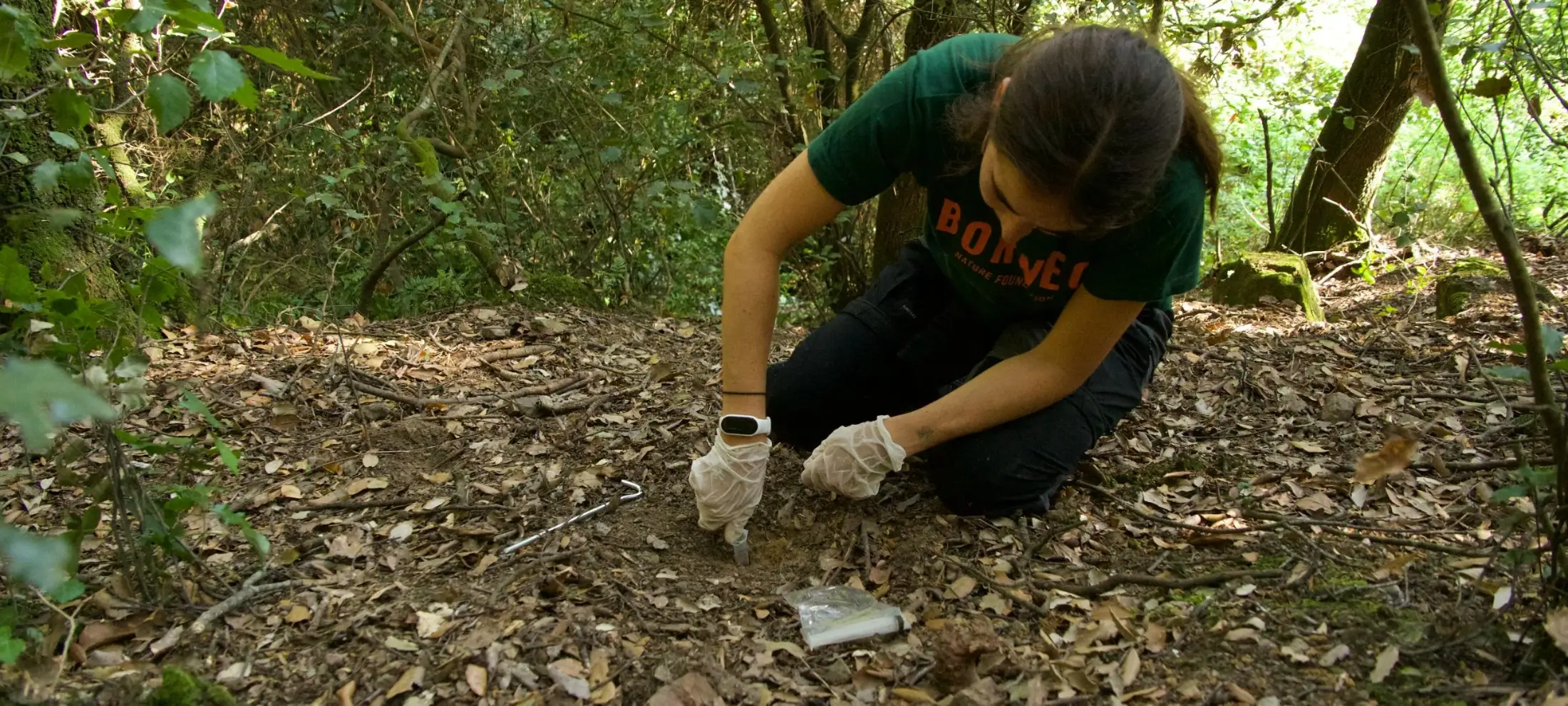
Together with Fundación Valor Natural Europeo and Integra Natura, EMFF is promoting a conservation pilot project on an estate in Montseny to implement the Nature Integrity Methodology and test, in a real-world setting, the full cycle of a biodiversity credits project: from its design and initial characterization to the measurement of results and its eventual validation, certification and issuance.
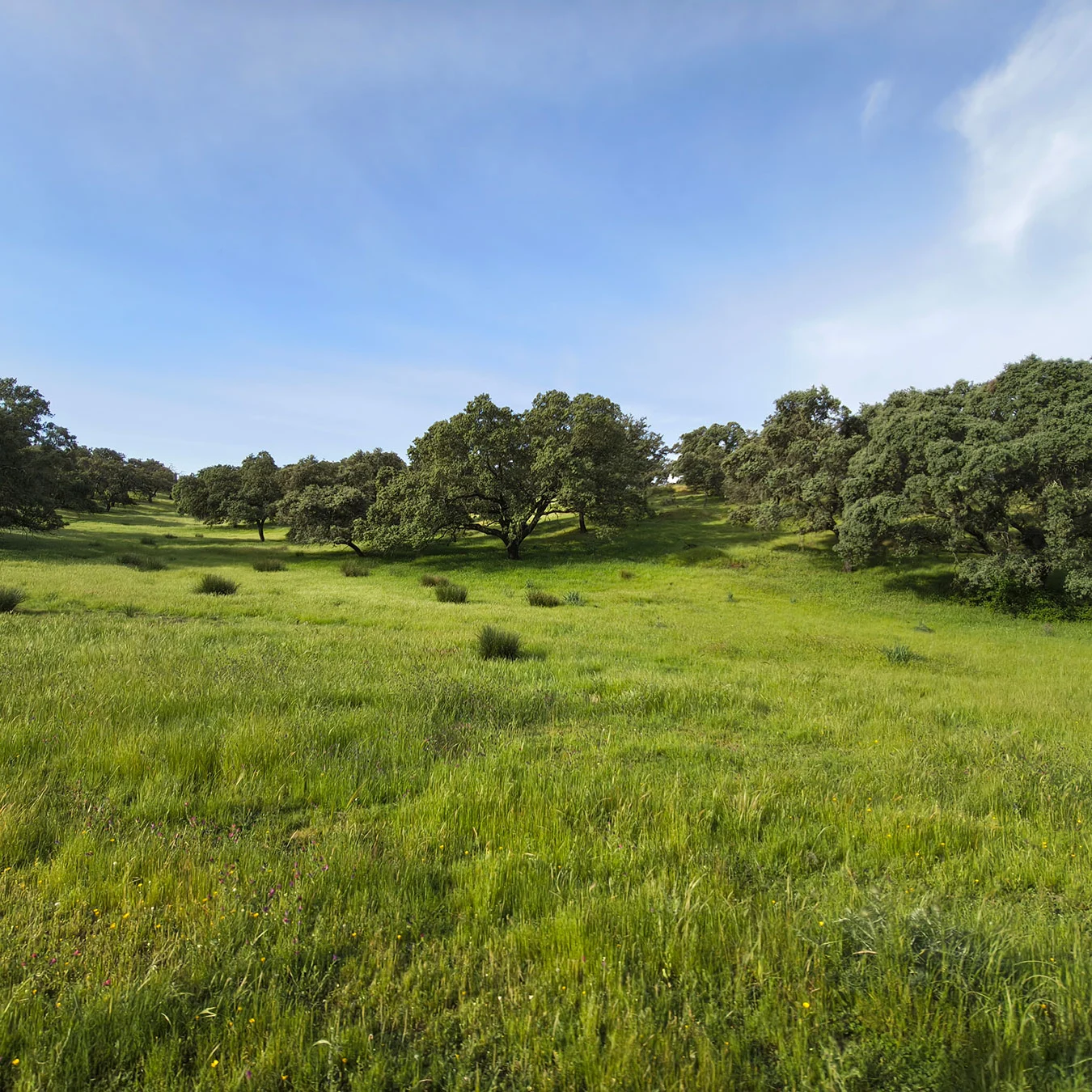
Montseny is a UNESCO Biosphere Reserve and part of the Natura 2000 network. Despite its high biodiversity and level of protection, the area is exposed to pressures such as habitat degradation, land-use change and climate pressure.
Protecting a territory of high ecological value requires demonstrating that this value is maintained in the face of real threats. The project will therefore document the estate’s initial condition and the pressures it faces, implement protection and management actions, and monitor over time whether its ecological condition holds.
The project seeks to generate experience and evidence on applying the Nature Integrity Methodology in a real-world setting, helping to strengthen trust in a biodiversity credits market that is still emerging.

Video
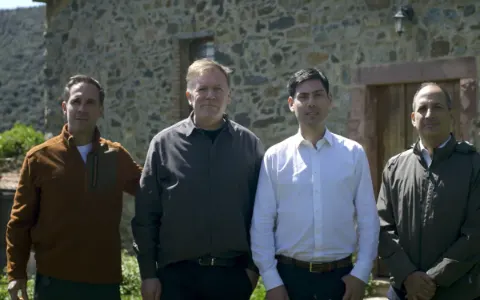
Montseny, told from the ground.
Project profile
What each project we publish covers.
To make each project understandable and comparable, we always document the same eight sections:
-
The territory. ecosystem, social context and location
-
The challenge. environmental, institutional or financial problem
-
The intervention. activities and solutions implemented
-
Methodology. measurement systems, technologies and principles
-
Governance. stakeholders, decision-making mechanisms and safeguards
-
Results. environmental, social and institutional impacts
-
Partners. participating organizations
-
Next steps. planned development and scalability
Because restoring nature is not just about taking action. It is about demonstrating recovery.
Next area
Let’s work together
Let's make nature visible in the decisions that shape our future.
We work with organizations that want to better understand their relationship with natural systems and contribute to the development of rigorous, fair and scalable environmental solutions.